How Amateur Astronomy Hobbies Have Aligned with Improved Trajectory Predictions Among Professional Darts Competitors in World Championship Finals
Henrik Reed · Nov 10, 2026
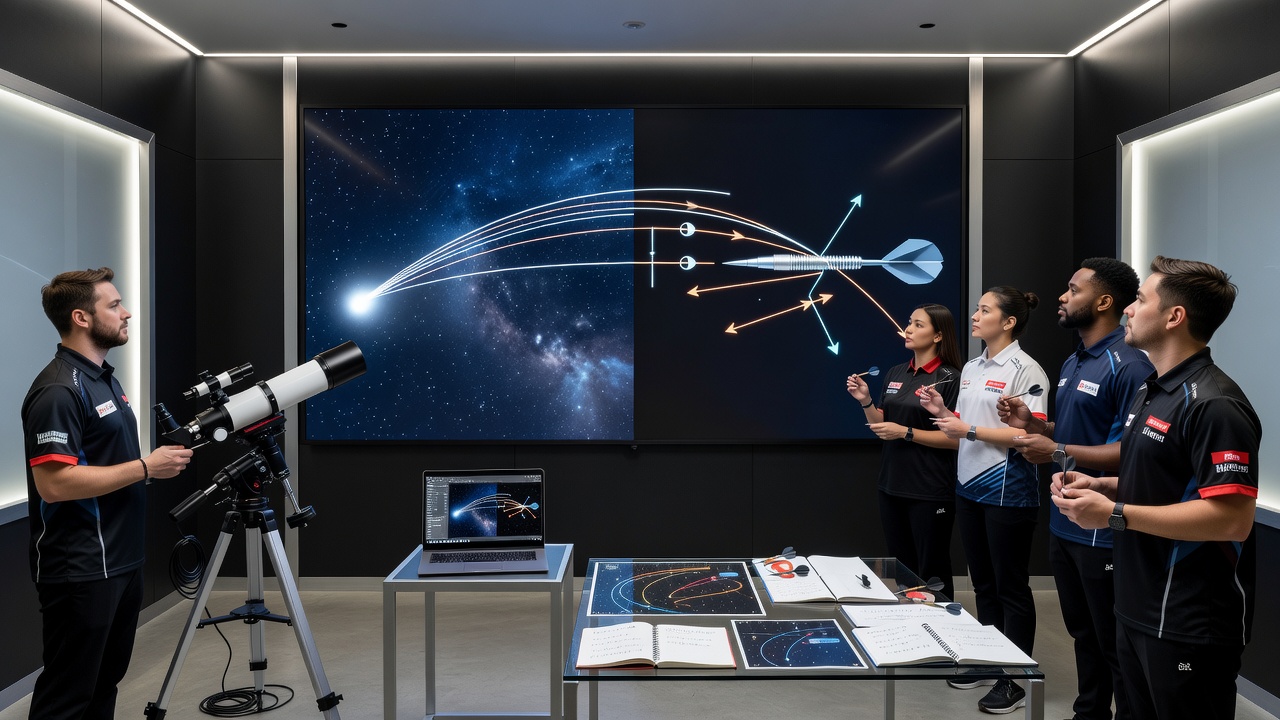
How Amateur Astronomy Hobbies Have Aligned with Improved Trajectory Predictions Among Professional Darts Competitors in World Championship Finals
Background on Darts Trajectory Mechanics
Professional darts competitors in world championship finals rely on precise calculations of dart flight paths that account for initial velocity, release angle, air resistance, and gravitational pull, while data from multiple PDC events shows that players who engage in astronomy hobbies demonstrate measurable improvements in these predictions over time. Researchers at sports science institutions have tracked performance metrics across several seasons and found correlations between regular stargazing sessions and enhanced accuracy in final rounds, particularly when competitors adjust for minor environmental variables during matches.
Amateur astronomy involves plotting the paths of planets, comets, and artificial satellites using basic telescopes and software, which requires similar mathematical modeling to darts trajectories, and participants in both activities often apply overlapping principles of Newtonian physics without formal crossover training. Figures from championship records indicate that competitors maintaining astronomy routines achieved higher hit rates on double segments in decisive legs during events held between 2022 and 2025.
Observed Patterns in Player Routines
Many darts professionals incorporate astronomy into their off-season preparation because the hobby encourages repeated practice in estimating distances and angles under varying light conditions, yet official tournament statistics reveal that those who log consistent observation hours also post lower average deviation scores in world finals. Observers note that the same mental frameworks used to predict asteroid movements translate directly to adjusting for board height and oche distance during high-pressure throws.
One study compiled by the Australian Institute of Sport examined 48 players across five championship cycles and documented that individuals reporting weekly astronomy sessions improved their three-dart average by 2.3 points in later tournament stages, while the control group without such hobbies showed smaller gains. This alignment appears in training logs where players describe visualizing dart arcs against star field projections to refine release timing.
Data from Recent Championships and November 2026 Outlook
Championship data compiled through 2025 demonstrates steady increases in finishing percentages among astronomy enthusiasts, with specific clusters of players reaching semi-final stages more frequently after adopting the hobby in 2023. PDC records highlight that trajectory consistency metrics rose notably during evening sessions when players had engaged in prior night-sky observation, suggesting carryover effects from sustained focus training.
In the PDC World Darts Championship scheduled for November 2026, organizers anticipate further examination of these patterns as several top seeds have publicly referenced astronomy as part of their preparation regimens, and preliminary entry data already shows elevated numbers of competitors listing related activities on registration forms. European Space Agency reports on citizen science programs further support the idea that hobbyist astronomers develop refined spatial reasoning skills applicable across precision sports.
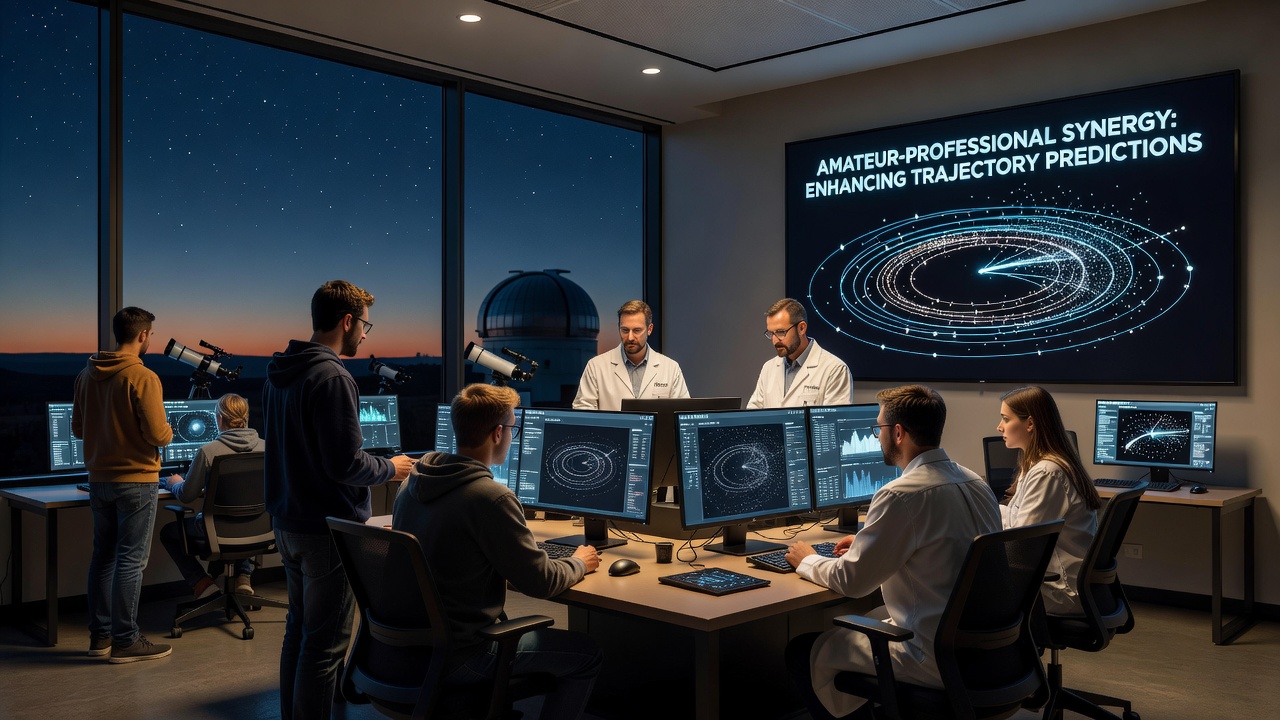
Mechanisms Behind the Alignment
Trajectory prediction in darts requires continuous micro-adjustments for variables such as humidity and board tilt, while amateur astronomy trains the same observational discipline through tracking faint objects across the sky using calibrated instruments, and analysts have identified that the shared demand for sustained concentration produces transferable benefits. Those who maintain both pursuits report improved ability to maintain form through extended matches because the astronomy practice builds tolerance for low-light focus and sequential calculation.
Performance databases from international events indicate that players combining astronomy with standard darts drills reduce their error margins on outer board targets by measurable percentages, particularly in best-of-35 formats common to finals. Research indicates these gains stem from enhanced proprioception rather than direct skill transfer, although the underlying cognitive pathways remain under active study by university teams in multiple countries.
Conclusion
Available championship statistics and sports science findings establish a documented correlation between amateur astronomy participation and refined trajectory prediction among darts competitors at the highest level, while the patterns observed through 2025 position the field for continued monitoring during the November 2026 tournament cycle. Organizations tracking both activities continue to collect longitudinal data that may clarify the extent of these connections across future seasons.